
For decades, the formula for retirement seemed fairly straightforward: work hard, pay down the mortgage, build savings, and eventually enjoy a slower pace of life.
Then came the modern Bay Area.
Today, many longtime Peninsula homeowners find themselves in an unusual position: that of being house-rich, but cash poor. Their homes may have appreciated dramatically over the years, yet everyday retirement planning can still feel unexpectedly complicated. It’s entirely possible to live in a multimillion-dollar home while wondering whether retirement income will comfortably stretch through the next twenty years.
That reality is one reason reverse mortgages have become a growing interest among the elderly and their families.
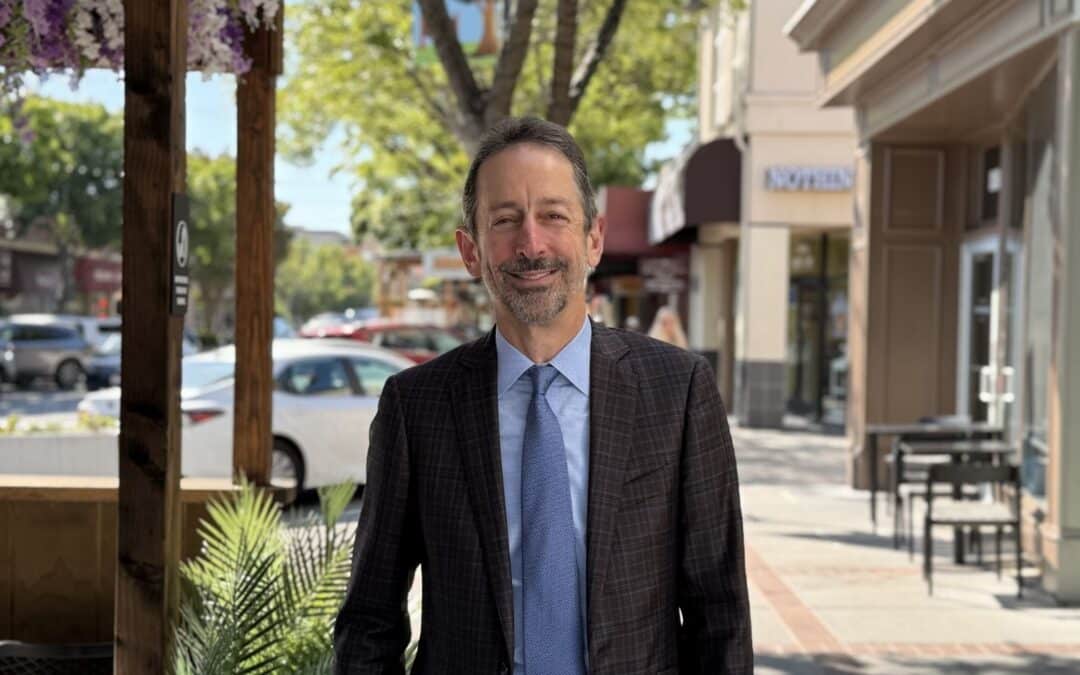
Andy Block, reverse mortgage specialist with C2 Financial, has spent years guiding Bay Area homeowners through retirement decisions.
We had an online interview with Andy Block of C2 Financial to talk through the realities of reverse mortgages, the misconceptions he hears most often, and why more Bay Area retirees are starting these conversations earlier rather than later.
And yes, before we discussed anything else, we asked the question almost everyone asks first -
Key Takeaways
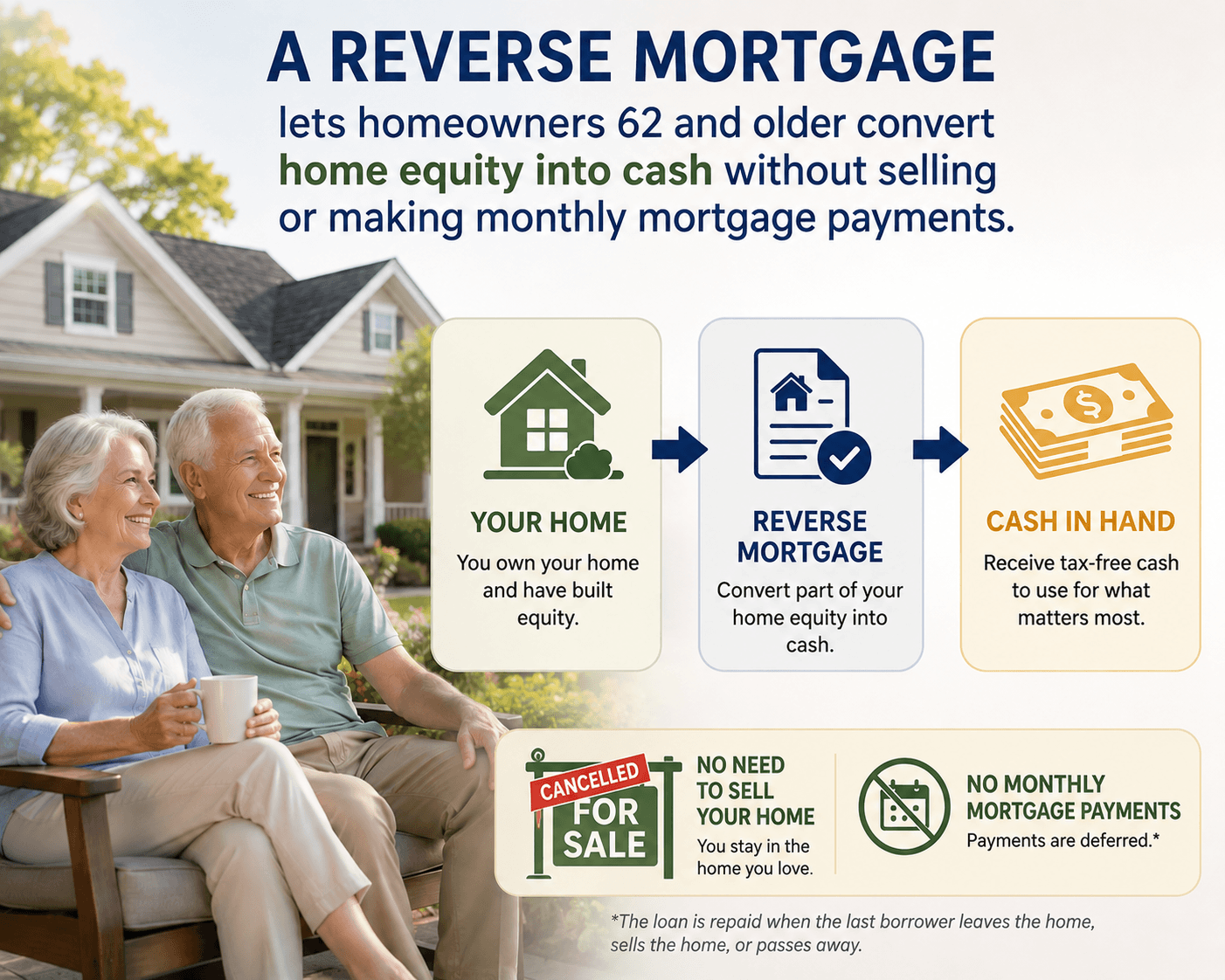
- A reverse mortgage lets homeowners 62 and older convert home equity into cash without selling or making monthly mortgage payments.
- The homeowner keeps title to the home. The lender places a lien, like with any other mortgage.
- The loan gets repaid when the homeowner sells, moves out permanently, or passes away.
- Reverse mortgages are non-recourse, so borrowers and heirs never owe more than the home is worth.
- Andy says he turns away more people than most clients realize. It's not the right tool for everyone.
CLICK TO ENLARGE
The Pros of Reverse Mortgages
For some homeowners, reverse mortgages can create financial breathing room without forcing major lifestyle changes.
- No required monthly mortgage payments.
- Access to tax-free cash
- Improved retirement cash flow
- Flexible payout structures
- Non-recourse protections
The Cons of Reverse Mortgages
Andy was equally candid about the downsides. He repeatedly emphasized: reverse mortgages are not right for everyone.
- Reduced home equity over time
- Upfront costs
- Ongoing tax and insurance obligations
- Potential impact on inheritance goals
- Limited usefulness for short-term situations
Common Situations Where Someone Might Consider a Reverse Mortgage
Andy shared several examples where reverse mortgages may become useful as part of retirement planning. These situations include:
- Supplementing insufficient retirement income
- Avoiding withdrawals during market downturns
- Paying off an existing mortgage
- Creating emergency liquidity
- Delaying Social Security benefits
- Preserving retirement investment accounts longer

How Does a Reverse Mortgage Work in Simple Terms?
Instead of the homeowner making payments to the lender every month, the lender pays the homeowner. The loan balance grows over time and is typically repaid later when the homeowner moves out, sells the home, or passes away.
Does the Bank Take Ownership of My Home?
According to Andy, "Absolutely not". Many families avoid exploring reverse mortgages altogether because of outdated fears or misinformation. Better education usually leads to better decisions.
“You keep title to your home. The lender simply places a lien on the property, similar to a traditional mortgage,” Andy says. This is one of the most common myths surrounding reverse mortgages. The homeowner still owns the home and remains responsible for:
Ongoing Homeowner Responsibilities
- Property taxes
- Homeowner's insurance
- Maintaining the property
"Think of a reverse mortgage as a way for homeowners 62 and older to turn part of their home equity into cash without selling the home or making monthly mortgage payments."
How Much Money Can I Get?
The answer depends on several factors, including:
- The homeowner’s age
- Current interest rates
- Home value
- Available equity
Generally speaking: the older the borrower and the greater the equity, the more funds may be available.
For Bay Area homeowners with significant appreciation over decades, this can sometimes unlock substantial financial flexibility. And given local property values, “equity-rich” has become a pretty common neighborhood condition. Decades of appreciation have left many longtime Peninsula homeowners equity-rich — and rethinking how that equity fits into retirement.
When Does the Loan Have to Be Repaid?
Andy explained that repayment typically occurs when:
- The last borrower permanently moves out
- Sells the home
- Or passes away
At that point, the home is usually sold or refinanced to satisfy the loan balance.
Importantly, reverse mortgages are structured as non-recourse loans, meaning borrowers or heirs generally never owe more than the home’s value.
Can I Lose My Home?
This is another question Andy hears frequently. The answer: yes, but only if the homeowner fails to meet the ongoing obligations of the loan. That includes:
- Paying property taxes
- Maintaining homeowners insurance
- Keeping the home in good condition
What Happens to My Heirs After I Die?
According to Andy, heirs generally have options. They may:
OPTION 1: Keep the home by paying off or refinancing the reverse mortgage
OPTION 2: Or sell the property.
If the home sells for more than the loan balance, the remaining equity belongs to the heirs. That’s an important point because many families assume a reverse mortgage automatically eliminates inheritance opportunities. It doesn’t.
But it does require thoughtful family conversations and long-term planning.
Is the Money I Receive Taxable?
Andy clarified that reverse mortgage proceeds are generally not considered taxable income because they are loan advances rather than earned income.
Still, homeowners should always consult tax professionals regarding their specific financial situation.
What If I Already Have a Mortgage?
Homeowners can still qualify for a reverse mortgage even if they currently have an existing mortgage. But the reverse mortgage proceeds first pay off the existing loan balance.
CLICK TO ENLARGE

Types of Reverse Mortgages And When They’re Used
HECM: Home Equity Conversion Mortgage
This is the most common reverse mortgage product and is insured by the Federal Housing Administration.
Best suited for:
- Homeowners seeking flexibility
- Borrowers wanting consumer protections
- Most traditional retirement planning scenarios
Proprietary or Jumbo Reverse Mortgages
These are private loans designed for higher-value properties. Andy says these have become increasingly relevant locally.
Best suited for:
- Homeowners with high-value homes
- Borrowers seeking access to larger amounts of equity beyond HECM limits
How Do You Choose the Best Option?
Andy says the answer always comes back to goals.
Matching the Option to the Goal
- Need steady income? Choose a monthly payment option
- Want flexibility? Choose a line of credit
- Have a high-value home? Choose jumbo reverse mortgage
- Need short-term liquidity? Choose a lumpsum option
Factors to Consider When Deciding
- Long-term retirement plans
- Healthcare concerns
- Family discussions
- Whether the home is intended to remain in the family
How Do You Choose the Right Reverse Mortgage Professional?
Andy believes homeowners should look for someone who:
- Specializes specifically in reverse mortgages
- Has strong reviews and experience
- Educates rather than pressures
- Walks through multiple scenarios clearly
He also notes that mortgage brokers can often provide more lending options because they work with multiple reverse mortgage lenders. That flexibility can matter when navigating complex retirement situations.
Andy emphasizes that reverse mortgages are family decisions as much as financial ones — best discussed early.

Real-Life Story: Funding In-Home Care
One client Andy worked with was 99 years old and required 24-hour in-home care costing approximately $28,000 per month. The client’s Social Security income alone could not sustain the expense, and investment accounts were rapidly being depleted. The reverse mortgage created:
- Line of credit | $750,000
- Care Continued | 24-hour in-home care preserved
- Outcome | Remained at home rather than moving to assisted living

Real-Life Story: “House Rich, Cash Poor”
Another client was a 78-year-old woman living primarily on Social Security with limited savings. Her reverse mortgage provided:
- Monthly payment | $1,500
- Standby line of credit | Approximately $173,000
- Funds supported | Daily living, home improvements, retirement stability

Real-Life Story: Helping Retired Teachers Preserve Their Lifestyle
Andy also shared the story of retired teachers facing a monthly income shortfall. The reverse mortgage:
- Paid off their existing mortgage
- Eliminated monthly mortgage payments
- Established additional standby liquidity
The outcome:
- Improved monthly cashflow
- Reduced pressure on retirement accounts
- Preserved future healthcare flexibility

Final Thoughts
“While the above success stories highlight its potential benefits, a reverse mortgage is not right for everyone. Costs, long-term plans, and leaving a legacy should all be considered,” Andy says.
Aside from a reverse mortgage, there are many other options that would allow the elderly to stay close to family, remain in the community they love, and continue living in their own homes.
“Consulting with a qualified advisor can help determine if and when a reverse mortgage might fit your financial goals,” Andy says.
FAQ
What is a reverse mortgage?
A reverse mortgage is a loan that allows homeowners age 62 and older to convert home equity into cash while continuing to live in the property. Instead of the homeowner making monthly payments to a lender, the lender pays the homeowner. The loan balance grows over time and is typically repaid when the home is sold, the borrower moves out, or passes away.
Does the bank own the home?
No. The homeowner keeps title ownership while the lender places a lien on the property, similar to a traditional mortgage. The homeowner remains responsible for property taxes, homeowners insurance, and maintaining the home in good condition throughout the life of the loan.
When does the reverse mortgage get repaid?
Repayment typically occurs when the last borrower permanently moves out, sells the home, or passes away. At that point, the home is usually sold or refinanced to satisfy the loan balance. Reverse mortgages are non-recourse, meaning borrowers or heirs generally never owe more than the home’s value.
Can heirs keep the home?
Yes. Heirs may keep the home by refinancing or paying off the reverse mortgage balance, or they may sell the property. If the home sells for more than the loan balance, the remaining equity belongs to the heirs. A reverse mortgage does not automatically eliminate inheritance, but it does call for thoughtful family planning.
Is reverse mortgage money taxable?
Generally, no. Reverse mortgage proceeds are considered loan advances rather than earned income, so they are typically not treated as taxable income. Even so, every homeowner should consult a qualified tax professional regarding their own financial situation before relying on this guidance.
Are reverse mortgages right for everyone?
No. Reverse mortgages depend heavily on individual retirement goals, long-term plans, healthcare needs, and family circumstances. Specialist Andy Block of C2 Financial emphasizes that reverse mortgages are not the right fit for every homeowner — and that working with an advisor who educates rather than pressures is essential.
Disclaimer
This licensee is performing acts for which a real estate license is required. C2 Financial Corporation is licensed by the California Bureau of Real Estate, Broker # 01821025; NMLS # 135622. Loan approval is not guaranteed and is subject to lender review of information. All loan approvals are conditional, and all conditions must be met by borrower. Loan is only approved when lender has issued approval in writing and is subject to the lender conditions. Specified rates may not be available for all borrowers. Rate subject to change with market conditions. Not all products are available in all states or for all amounts. Consult a tax advisor and appropriate government agency for any effect on taxes or government benefits. Other restrictions and limitations apply. C2 Financial Corporation is an Equal Opportunity Mortgage Broker/Lender.
About Andy Block


Andy Block is a reverse mortgage specialist with C2 Financial serving homeowners throughout the Bay Area. His work focuses on helping older homeowners evaluate reverse mortgages, retirement cash flow strategies, and long-term housing decisions.
CONTACT
Phone: (650) 533-0756
Email: ablock@c2financial.com
Website: c2financialcorp.com
About Viv and Mark
Vabrato Real Estate
Vabrato is a locally based, top-rated real estate team led by Mark Martinho and Vivienne Kelvin. Together, they bring over 30 years of combined experience helping home buyers and sellers throughout San Mateo and Santa Clara Counties. With expert negotiation skills, in-depth market knowledge, precise pricing strategies and marketing tactics, they consistently deliver exceptional results. Through their Design-to-Sell Service, they provide strategic property upgrades, cover upfront improvement costs, and manage the entire process from start to finish.
Mark is a Real Estate Broker and General Contractor, with degrees in Mechanical Engineering and Law. Viv is also a Broker, expert Negotiator, respected Interior Designer, seasoned Marketing Expert, and trusted San Carlos business community leader.
Thinking about buying or selling in San Carlos?
As long time residents in San Carlos, Viv and Mark know every street, school, and local market shift, so you get strategic pricing, standout marketing, and negotiations that deliver. Get a complimentary market snapshot or home valuation and a no-pressure plan tailored to your goals. Contact us today: your next move starts here.